Visual Strategy in Professional Spaces

Visual Consistency Builds Trust

Why cohesive imagery helps spaces and brands feel reliable over time

In professional environments, people return to the same visual experience again and again: a lobby, a meeting room, a corridor, a website. When the visual language stays consistent, the space feels considered. When it shifts without a clear reason, it can feel unfinished, even when each individual piece is strong.

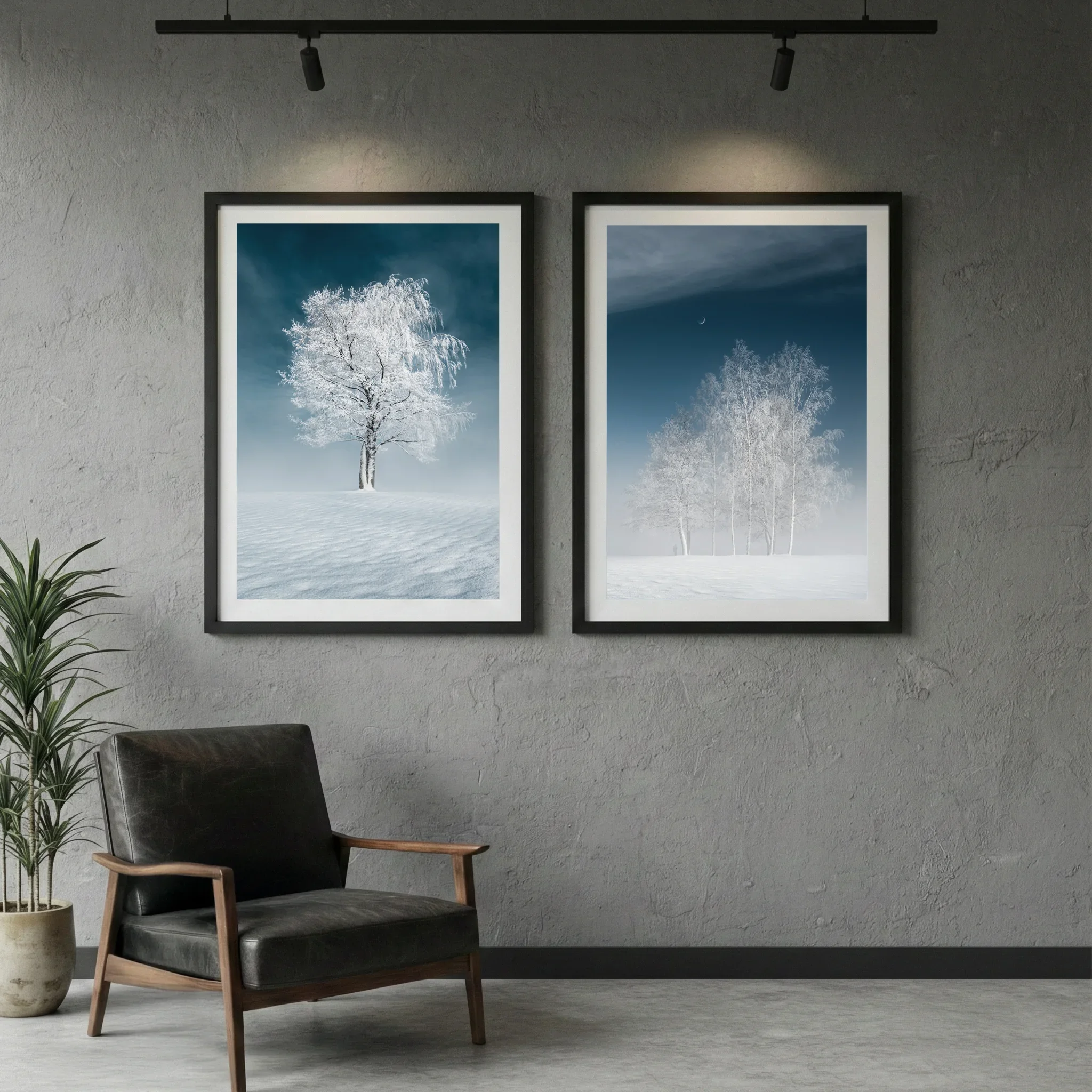
A cohesive set of framed prints demonstrating consistent tone and composition

Trust is built through repetition

People do not experience a professional space once. They pass through it every day. Over time, small inconsistencies become noticeable: a different tone, a different palette, a different visual temperature.

When the visuals feel connected, the environment reads as intentional. It becomes easier to focus, meet, rest, and move through the space without friction. When the tone changes from wall to wall or from page to page, the experience feels less stable.

Consistency is one of the simplest signals of care. It shows that choices were made for the whole experience, not one moment.
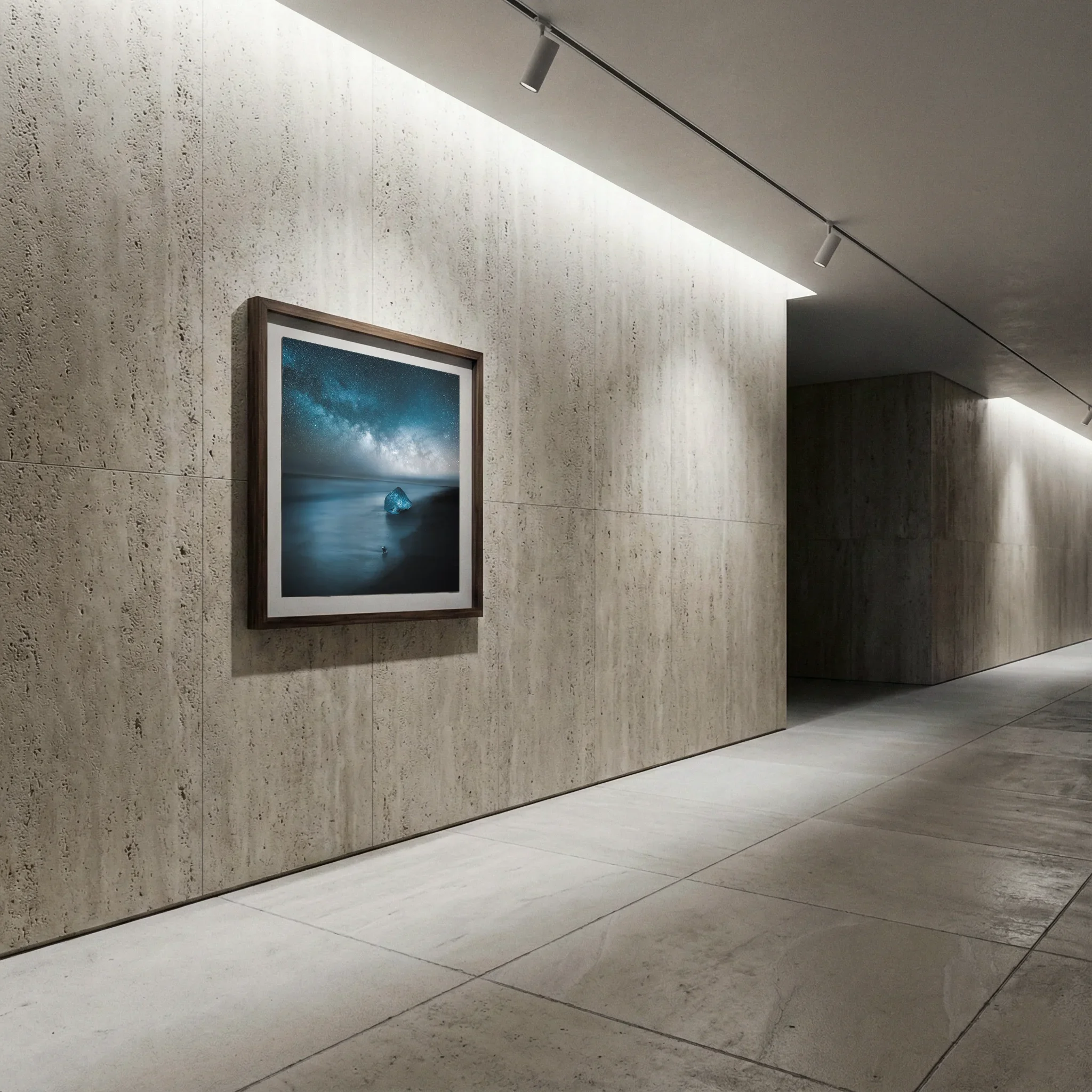

A framed print in a corridor setting with a calm, cohesive visual tone

Planning an installation across multiple spaces? See how this approach is applied in recent projects.

"Consistency is what makes a space feel finished."

Consistency reduces decision fatigue

Modern environments already demand attention: screens, signage, messaging, and constant updates. If the visual layer of a space also feels busy, people spend more energy just processing it.

A coherent set of images works like good materials and good lighting. It supports the room without taking it over. This matters in offices, hotels, and homes because people are expected to return, settle, and stay.

Clarity

When the tone stays predictable, the space becomes easier to read.

Standards

Consistency suggests a clear direction and a decision-making filter.

Comfort

Less visual friction makes it easier to focus and slow down.

A calm print installation demonstrating a consistent visual vocabulary

Consistency signals long-term thinking

Short-term choices are often made for immediate impact. Long-term choices are made for daily use. In architecture and design, materials are selected for how they age. Photography benefits from the same thinking.

When imagery aligns with the interior concept, it stops feeling like decoration and starts feeling structural. It becomes part of how the room holds itself together.

In strong spaces, the photograph does not compete with the architecture. It supports it.

Atmospheric photography with a restrained tone designed to age well in a space