Craft & Intention

When Technical Skill Is No Longer the Problem

What changes when execution is reliable

There is a point where exposure, focus, and post-production are no longer the main challenge. You can deliver clean files consistently. If the work still feels uneven, the next step is usually simpler: make clearer decisions about what you include, what you repeat, and what you leave out.

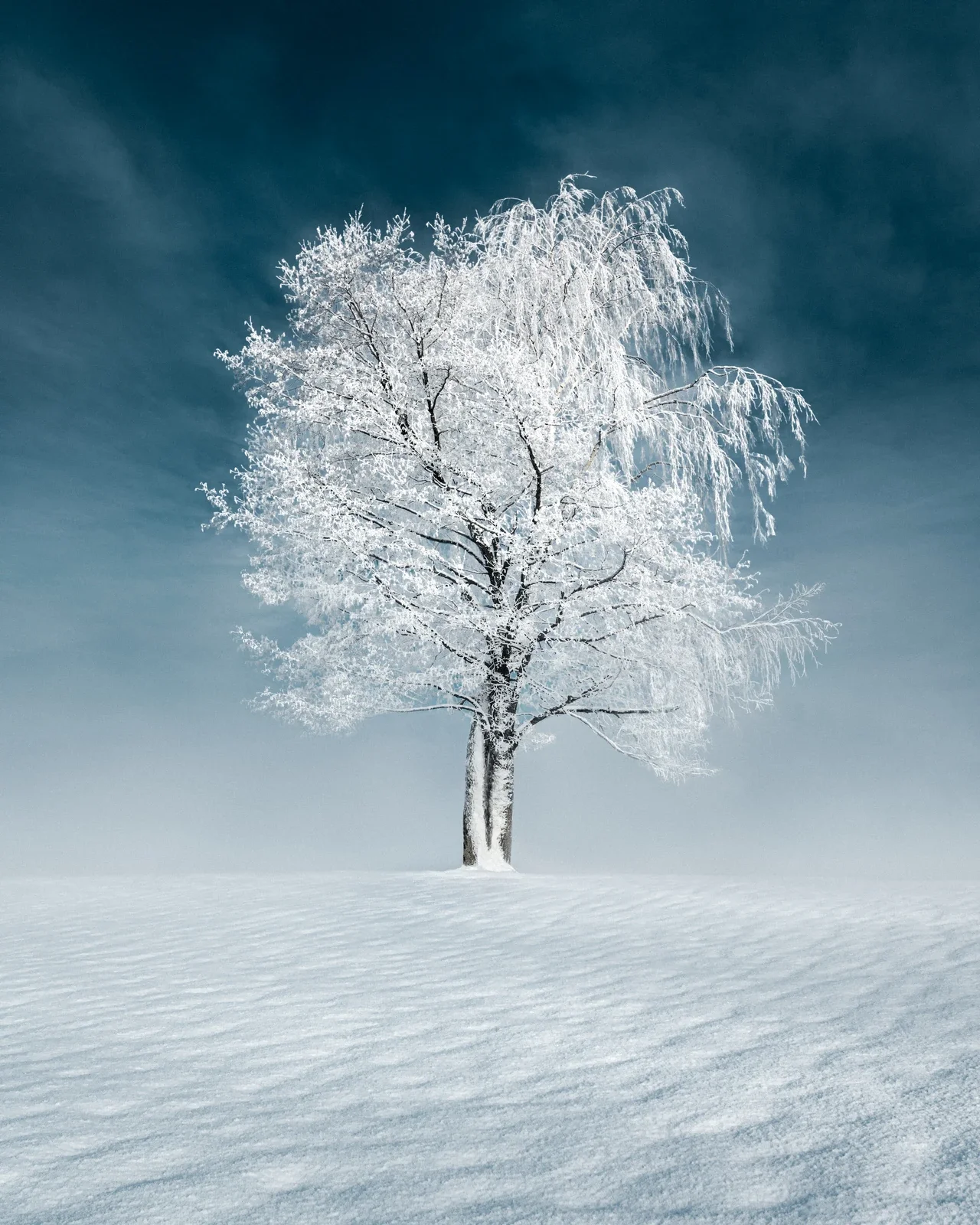
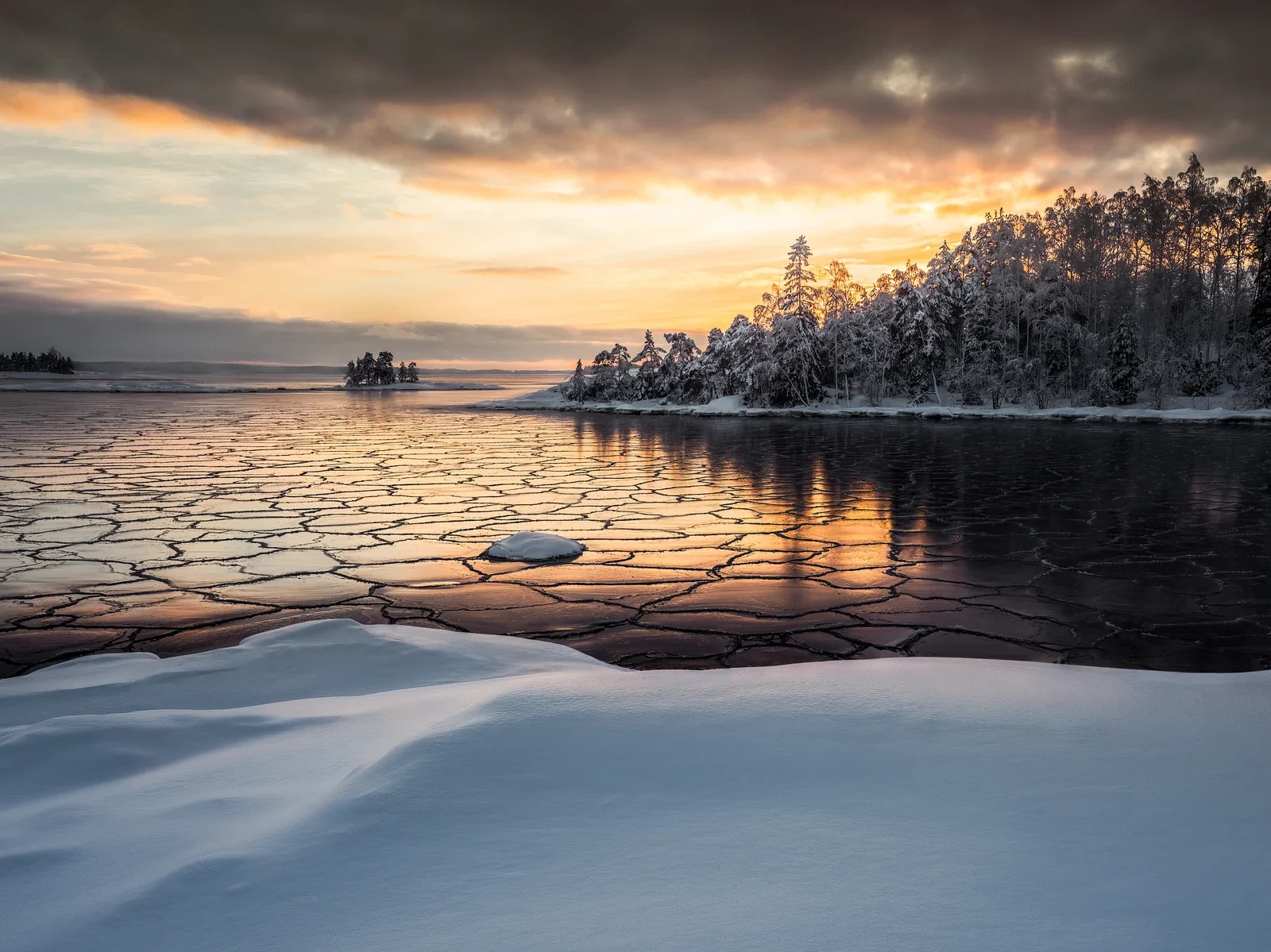
Atmospheric landscape photography presented with calm, controlled tone

Technique removes risk

In professional work, competence is assumed. Clients expect clean files, consistent quality, and predictable delivery. That baseline matters, but it rarely creates a recognizable voice. It simply removes reasons to hesitate.

Once you can execute reliably, the work becomes editorial. Which photographs belong together. Which ones weaken the set. What you repeat on purpose, and what you stop showing.

At this stage, your choices do most of the talking.
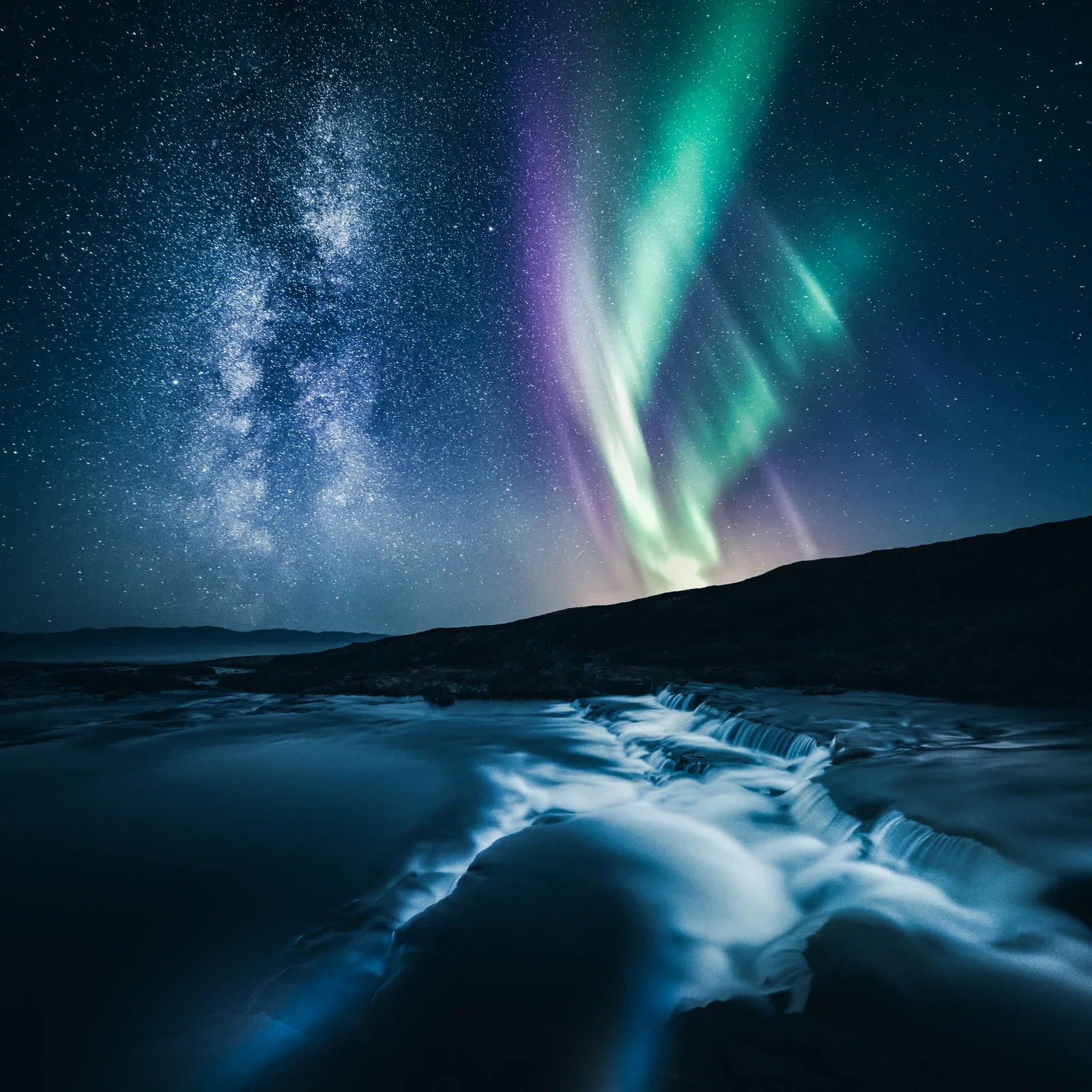
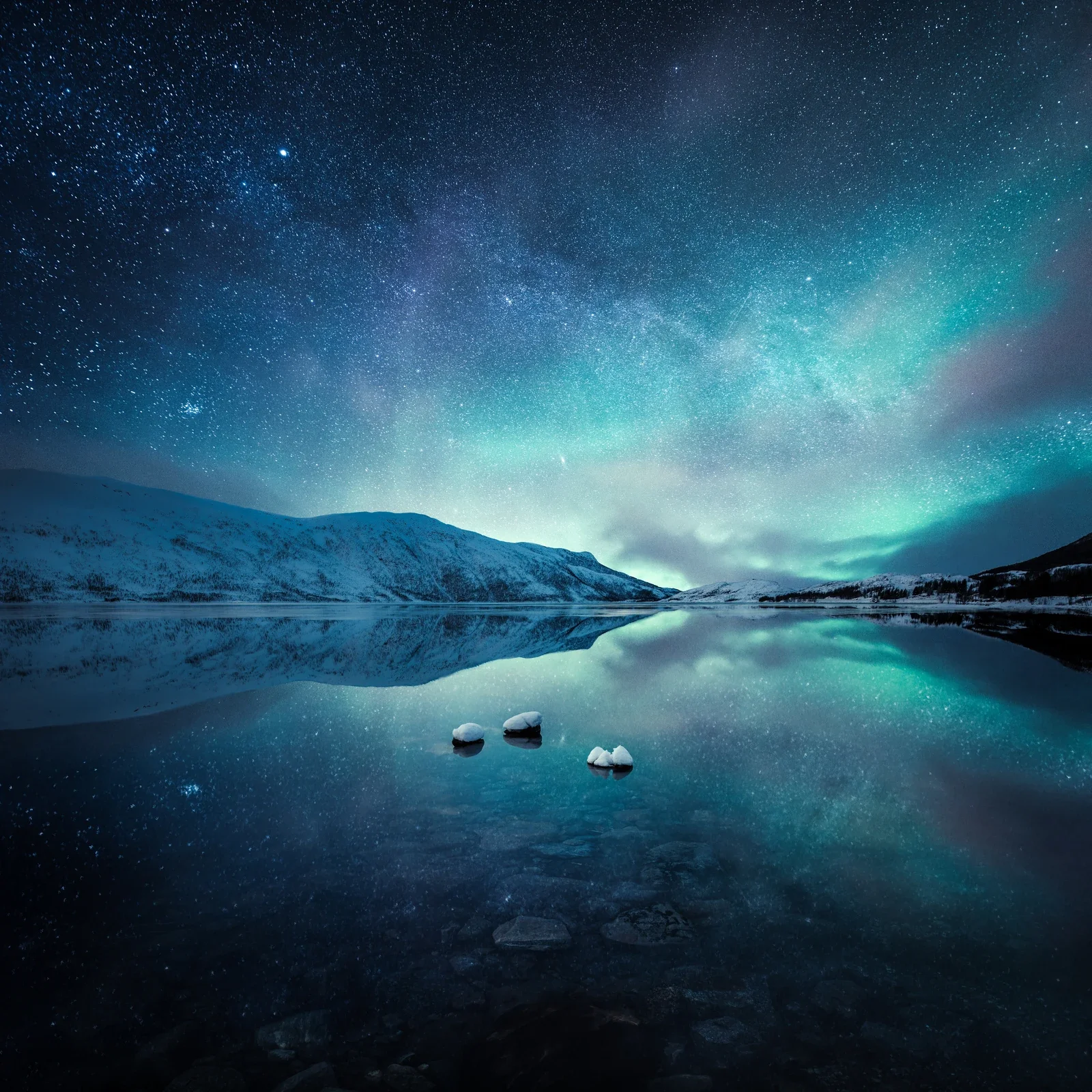
Quiet landscape photography where negative space supports the pace of the image

Building a body of work for a space, a brand, or a long-term portfolio? See how this thinking translates into real installations on the Projects page.

"When execution is stable, selection becomes the signature."

Clear intent shows in simple decisions

When technique is not the bottleneck, small choices start to matter more: tone, contrast, subject distance, and the amount of space in the frame. These details decide whether the work feels calm, busy, heavy, or light.

In client environments, this matters because the photograph is not viewed once. It becomes part of the room’s daily rhythm. A strong image has to sit well with architecture, materials, and repeated viewing.

Editing

Removing near-duplicates and keeping only the images that strengthen the set.

Consistency

Repeating a few core decisions in light, palette, and composition.

Pacing

Letting the image breathe so the viewer can stay with it longer.

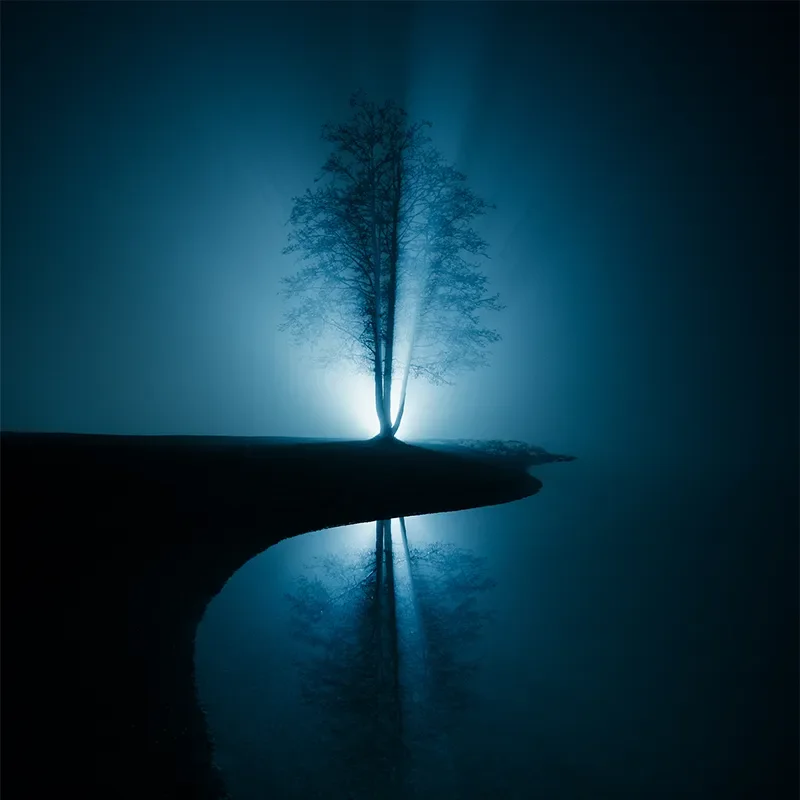
Atmospheric landscape photography with calm composition and depth

Why mature work often reads as calmer

Mature work often feels calmer because it is more specific. It is not trying to cover everything. The frame is cleaner. The tone is more controlled. The series is more selective.

This is not about making images quiet for the sake of it. It is about building work that stays usable over time. In premium environments, the photograph has to hold up after repeated exposure and still feel right.

The goal is a stable visual presence that lasts beyond a single moment.

Framed quiet landscape photography in a professional interior

Want a clearer direction in your own work and editing decisions? Explore 1-on-1 mentoring.